Steps in Hiring and Appointment
The hiring and appointment process typically involves the steps as discussed below:
1. Identify the Need of Hiring
The process begins when a department or a team identifies the need for a new employee. This might be due to opening for a new position, expansion, replacement, or any other reason.
2. Job Analysis and Preparation of Job Description (JD)
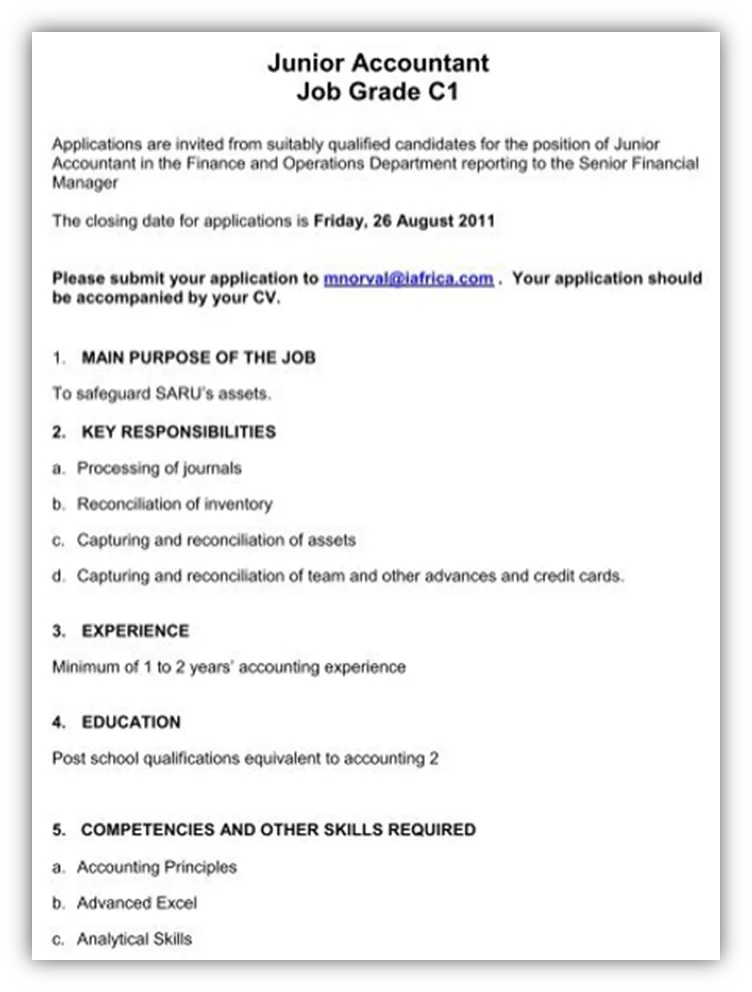
To ensure a fair and competitive hiring process, the hiring staff should begin by creating a job description that accurately reflects the needs of the role. This should include a prioritized list of job requirements, special qualifications, desired characteristics, and requisite experience, as well as information about salary and benefits.
3. Approval and Budget
Depending on the organization, the creation of a new position or the replacement of an existing one may require approval and budget allocation from seniors.
4. Sourcing Strategy
The organization
determines how it will source candidates, which means, how to find the right candidates for the open position. This could involve posting the
job on various job
portals, using a recruitment agency, internal employee referrals, or other methods.
5. Application Submission
Candidates submit their applications and resumes through the designated channels, which may include an online application system / portal or through email.
6. Resume Screening
HR or the hiring managers review the received resumes to shortlist candidates who meet the basic qualifications outlined in the job description.
7. Interview
Shortlisted candidates are invited for interviews. This can include multiple rounds of interviews with different stakeholders, such as HR, hiring managers, and team members.

Following are the three general steps of interviews;
- Telephonic Interview/Initial Screening: Initial interviews typically begin with phone calls conducted by company representatives. These phone interviews are designed to assess if applicants possess the necessary qualifications for the position and if they align with the organization’s culture and values.
- HR Round: These are in-person interviews conducted between applicants and HR. The conversations in these interviews typically focus on the applicants’ experience, communication skills, work history, and availability.
- Technical Round: Head of particular department focuses on a specific topic or aspect of the job to check technical skills of candidate and ensure an in-depth conversation about the role, as well as the candidates’ qualifications and experience.
8. Reference and Background Check
Before making an offer, the organization may conduct reference checks and background checks to verify the candidate’s qualifications and ensure they have no red flags.
- Background checks review candidates’ criminal records, verify employment history and eligibility, and run credit checks. In addition, some organizations also conduct social media checks (e.g., Facebook, Twitter) to ensure that potential employees are likely to represent the company in a professional manner. For example, if the candidate has bad mouthed their past employers on social media, its a red flag.
- Reference checks means talking to the candidates earlier employers, managers , colleagues or even professors. It confirms any pertinent information shared by the candidate about their previous employment, such as job performance, experience, responsibilities, and workplace conduct. A typical question to ask references is “Would you rehire this person?”.
9. Decision and Issue of Offer Letter
After the interview and assessment process, the hiring team makes a decision on which candidate to offer the position to.
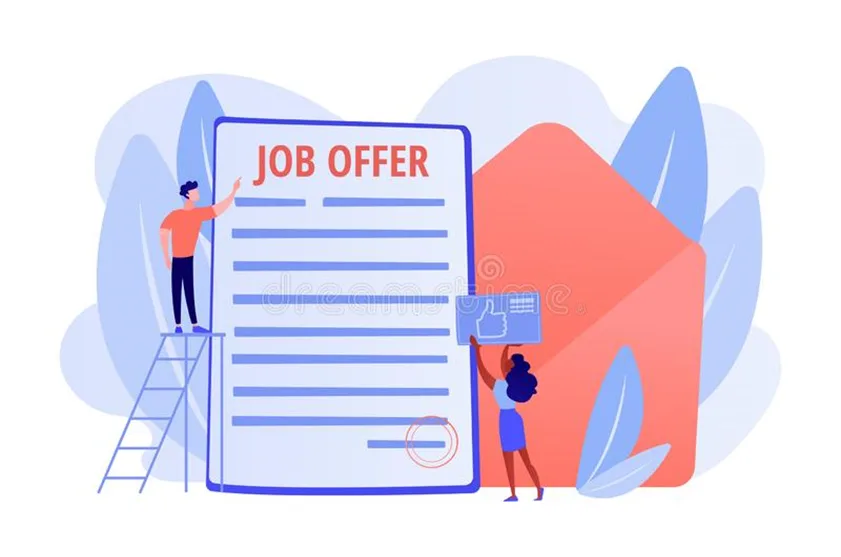
An official job offer includes details such as the offered designation, salary, benefits, paid time off, start date, potential severance pay, working remotely policy, company equipment, and other terms and conditions of employment.
10. Negotiation & Acceptance
The candidate reviews the offer and may negotiate the terms. Hiring staff should internally determine which elements of the offer letter are negotiable and which are not. It is typical for terms such as salary, flexible work schedule, and remote work options to be open for negotiation.
Once both parties agree, the candidate formally accepts the offer.
11. Documentation Process
Ensuring a smooth onboarding process for new employees is crucial for any organization. One key aspect of this process is the documentation related to employment. It may seem like a mundane task, but it plays a vital role in establishing legal and administrative compliance. By requiring new employees to go through the documentation process, companies can ensure that all necessary information is collected, contracts are signed, and policies and procedures are communicated effectively.
Forms and paperwork may include the following:
- The offer letter has been properly countersigned by the candidate.
- PAN Card (Permanent Account Number)
- Aadhar Card
- Bank Account details for salary payment via direct deposits.
- Passport size photo
- Educational Certificates
- Recent Pay-slips and Bank Statement – Generally last 3 months (Optional)
- Experience Certificates
- Relieving Letter from earlier organisation
- Details for PF and ESI (If applicable)
- Details of income earned from previous employer in Form 12B under section 192 of the Income Tax Act,1961. This is helpful for the new employer to calculate the correct TDS on employee’s salary. If Form 12B is not available, atleast the salary, tax computation sheet and TDS from the last employer.
- Details of deductions under section 80C, 80CCC, and 80CCD (involving investments and contributions) in Form 12BB for the purpose of deducting tax deducted at source (TDS) from salary.
12. Onboarding Process
Hiring a new employee is just the beginning of the hiring process. Onboarding your new workers in a welcoming and professional manner is crucial to integrating them into your company and establishing a foundation for a long-term, productive relationship.
Induction program:
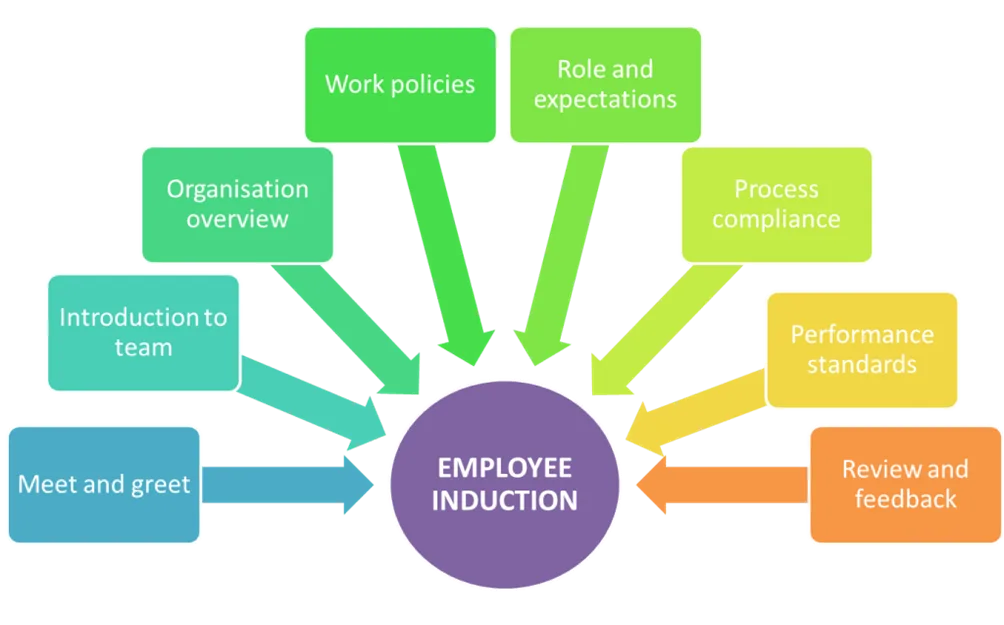
An induction program is the process used within organizations to introduce a new hire to the company and vice versa and train the new employee for their work assignment. An induction program is an important and critical process for the effective integration of new hires into an organization.
13. Issue of Appointment Letter
- It is a legal and official document issued by an organization to a qualified and selected candidate, offering them a job and employment within the organization.
- The appointment letter provides detailed information about the position offered, including salary, benefits, confidentiality policy, work policy, starting date, and other important employment details.
- The candidate typically receives the appointment letter within few days of employment and is expected to return a signed copy to the employer as an indication of their acceptance.

Issuing an appointment letter is a formal and crucial step in the hiring process. It serves as a written confirmation of a job offer and clearly outlines the terms and conditions of employment.
Difference between Offer Letter vs. Appointment Letter
An Offer Letter is distinctively different from an Appointment Letter. The primary differences between these two types of letters are:
- Candidates receive an offer letter once they successfully pass all rounds of interviews, while an appointment letter is issued to the candidate only after they accept the offer letter.
- An appointment letter provides more detailed information about the job role compared to an offer letter.
- An Offer Letter conveys the company’s interest in offering a job role, while an Appointment Letter provides a detailed contract of employment to a candidate.
An offer letter is typically less detailed than an appointment letter. Both of these legal documents serve as different versions of a formal contract of employment. In order for a candidate to receive the appointment letter, they must first accept the offer letter.
Important clauses of an employment contract:
1. Confidentiality:
- A confidentiality clause prohibits the employee from disclosing confidential information belonging to the employer.
2. Non-compete:
- A non-compete clause restricts the employee from working for a competitor for a specified period after leaving the company.
3. Non-solicitation:
- A non-solicitation clause prevents the employee from soliciting the company’s employees or customers for a specified period after leaving the company.